House approves federal standard requiring AI data centers to fund grid upgrades
The Ratepayer Protection Act passed the House and would compel large data centers to pay for electricity infrastructure improvements, though it still requires Senate approval and state adoption.
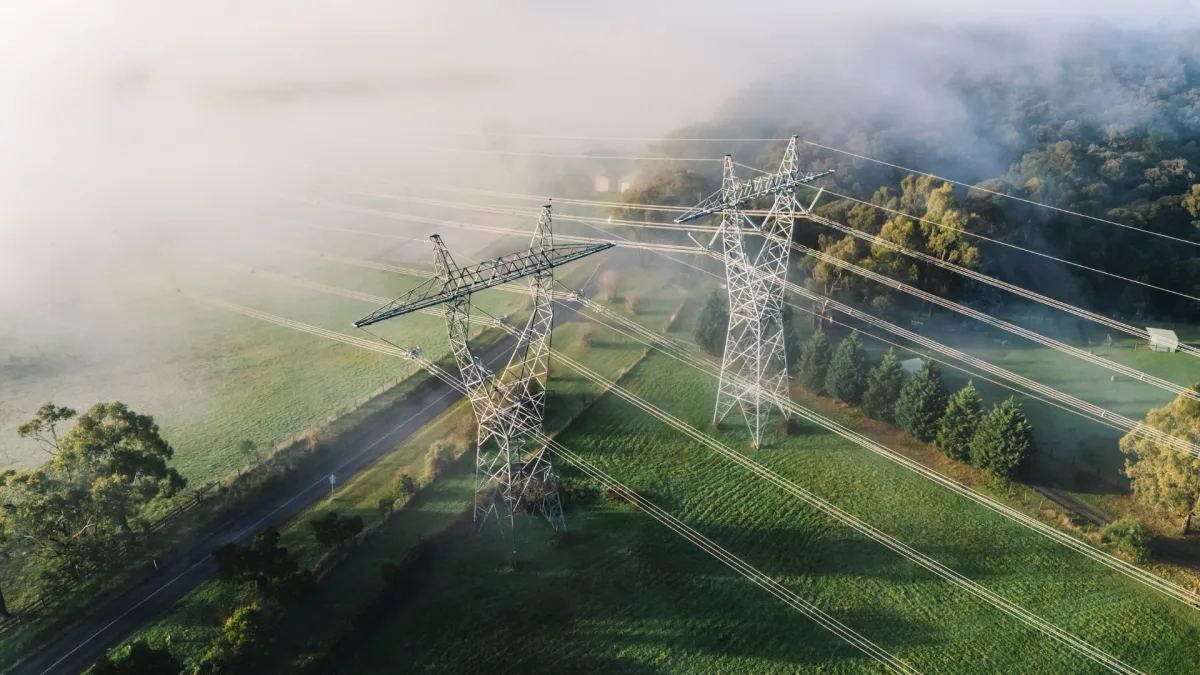
Lawmakers in the House of Representatives have approved legislation establishing a federal requirement that data centers shoulder the cost of grid upgrades built to serve their operations. Known as H.R. 9340, or the Ratepayer Protection Act, the measure amends the Public Utility Regulatory Policies Act of 1978 and would direct state regulators and non-regulated utilities to evaluate whether to adopt the standard within two years of enactment, should it become law.
The bill targets facilities with capacity exceeding 100 megawatts, mandating they cover "the full, incremental cost of any generation, transmission, or distribution upgrade necessary to serve the load of such large-load customer, including in the event of such large-load customer terminating a contract or other agreement with the electric utility pertaining to the sale of electric energy, or otherwise ceasing the purchase of electric energy from the electric utility." The legislation aligns with President Donald Trump's "Ratepayer Protection Pledge," under which AI hyperscalers, utilities, and state officials committed to ensuring these companies pay for their electricity needs without burdening consumers.
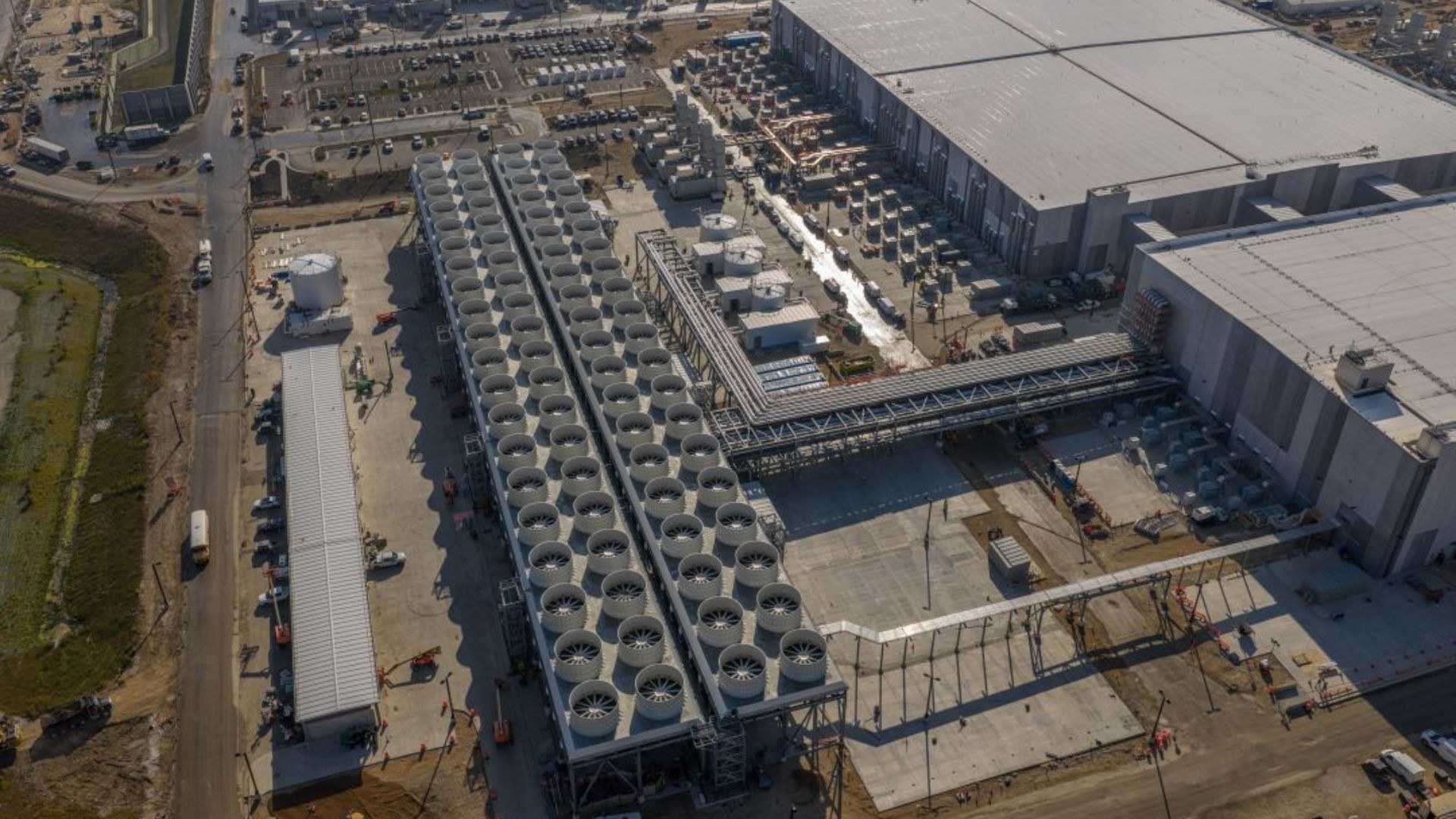
The push for such measures stems from residential and small-business rate increases triggered by surging electricity demand from AI data centers. Public opposition to new data center projects has intensified as a result, making cost-sharing a central political issue.
Oregon has already moved ahead with stricter rules. The state enacted the POWER Act in 2025, which applies to any project consuming more than 20 megawatts and requires operators to contribute their fair share. The law has produced a 30% increase in data center electricity charges while cutting residential power costs by 1.3%. Virginia followed a similar path after its governor signed the Ratepayer Protection Pledge in July 2026, with the State Corporation Commission mandating that data centers finance all necessary transmission infrastructure.
Despite House passage, H.R. 9340 faces additional legislative steps. The bill must clear the Senate and receive presidential signature before states can consider it. Even then, adoption remains optional for state regulators, who have up to two years to decide. This timeline creates uncertainty, as temporary data center bans and moratoriums in various jurisdictions may expire before state officials implement the federal standard.