Airbus Deploys Steam Deck as Control Interface for ExoMars Rover Testing
The aerospace manufacturer is using Valve's handheld gaming device to remotely operate its prototype Mars rover during development, leveraging the device's computing power and control inputs.
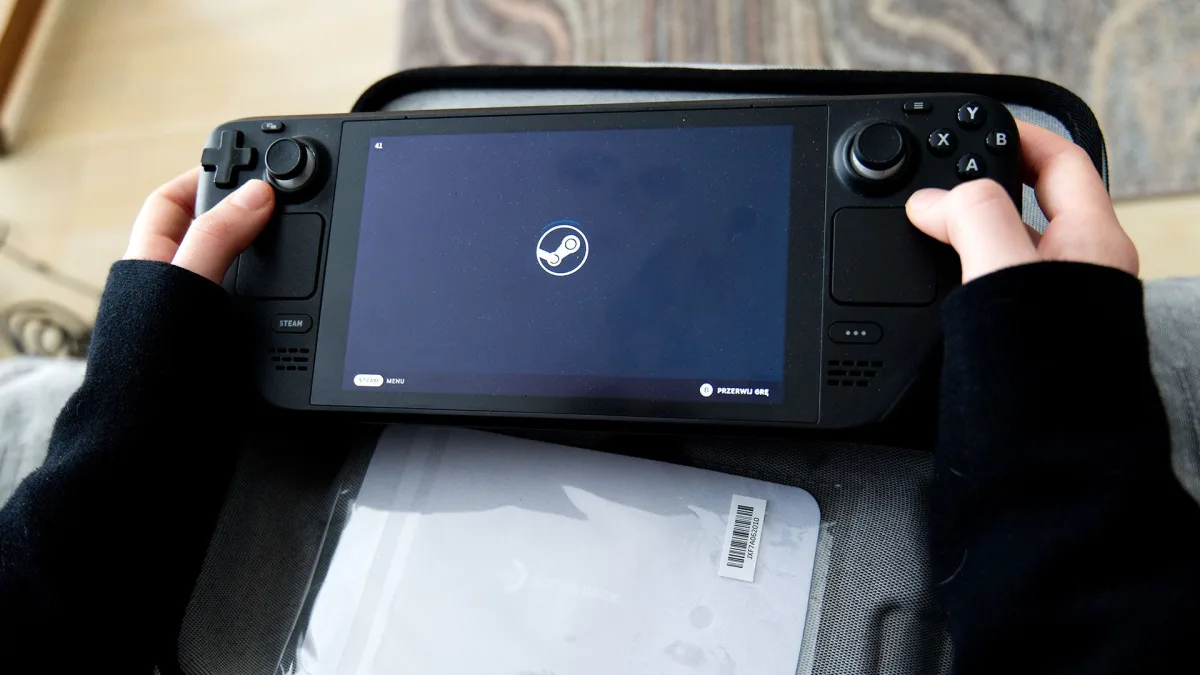
Valve's Steam Deck handheld gaming device has found an unexpected application beyond entertainment: Airbus is wielding it as a control system for testing its ExoMars rover prototype. The aerospace company has integrated the portable PC into its development workflow, allowing engineers to operate the rover during testing phases before the vehicle gains autonomous capability on Mars.
Airbus, based in the UK, is developing the ExoMars rover with the goal of eventual self-directed operation once deployed on the Martian surface. The project gained public visibility through a video shared by YouTube personality Tom Scott, who visited the Airbus facility and documented the rover being controlled via Steam Deck. During Earth-based testing in a simulated Martian environment, the handheld device serves as the primary interface for rover operation.
The Steam Deck runs custom software designed specifically for rover control, with engineers manipulating the device's thumbsticks, triggers, and face buttons to direct the rover's movements and functions. This approach leverages the Steam Deck's fundamental architecture: it operates on Linux, incorporates both physical controls and a touchscreen, and includes Wi-Fi and Bluetooth connectivity. The device's flexibility extends further—users can install Windows if needed—making it adaptable to specialized control requirements that conventional gaming controllers cannot accommodate.
The choice reflects practical engineering logic. Traditional controllers from Sony and Microsoft lack the extensibility and computing resources necessary for running custom rover-control software. A handheld PC like the Steam Deck provides the processing power and software customization options that advanced robotics testing demands. Given these advantages, similar applications may emerge for future Mars rover development initiatives.
Airbus teams operating from Stevenage are currently focused on engineering the mechanical, thermal, and propulsion systems for the landing platform that will deliver a rover to Mars in 2030. The rover itself will bear the name Rosalind Franklin. According to Kata Escott, managing director of Airbus Defence and Space UK, completing this mission represents "the culmination of more than 20 years' work." Whether or not the Steam Deck remains part of the Franklin rover's operational history once it reaches Mars, the device has already secured a notable place in the platform's development narrative.