Forty-four years on, Ethernet remains the wired backbone of computing
The DIX standard, published in 1980 by DEC, Intel, and Xerox, transformed local networking by making the specification open to all hardware vendors.
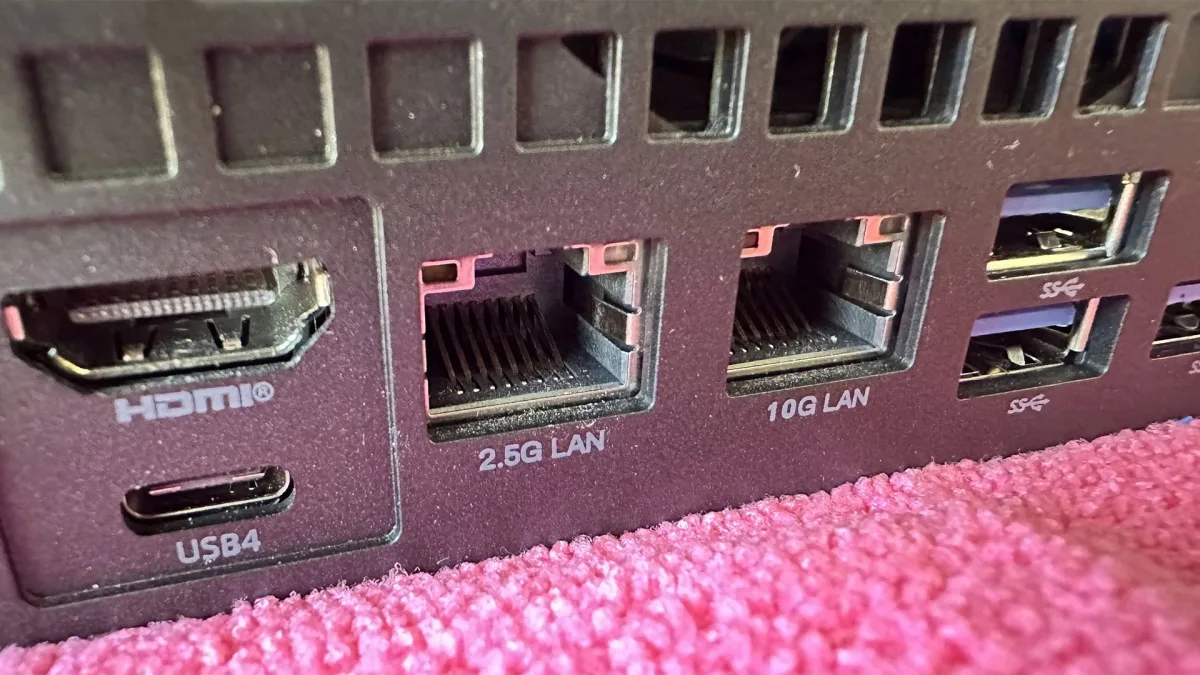
On modern desktop computers, Ethernet connections persist as a valued feature, standing alongside other enduring interfaces such as the 3.5mm audio jack and the IEC mains connector.
The first release of the Ethernet specification arrived on this day in 1980, when Digital Equipment Corporation (DEC), Intel, and Xerox jointly published version 1.0. Known as the DIX standard, this specification emerged roughly three years before the internet as we know it today came into being. Despite its early arrival, Ethernet would go on to establish itself as the dominant standard for linking computers within local networks globally. It is worth noting that Ethernet had already been developed in prototype form at Xerox PARC during the preceding decade.
Prior to Ethernet's standardization, equipment makers hesitated to incorporate LAN capabilities directly into their machines. The prospect of embedding a single network adapter seemed impractical, given that such hardware might prove incompatible with the diverse networking systems and devices already deployed across different organizations. The DIX partners addressed this barrier by opening the specification to manufacturers everywhere, enabling any vendor to incorporate Ethernet into their own product designs.