Intel's Nova Lake chips clear USB and PCIe compliance hurdles ahead of 2027 launch
Intel's Core Ultra 400-series Nova Lake processors and supporting chipsets have passed interoperability tests with major standards bodies, a sign the company is preparing for product launches expected in the first quarter of 2027.
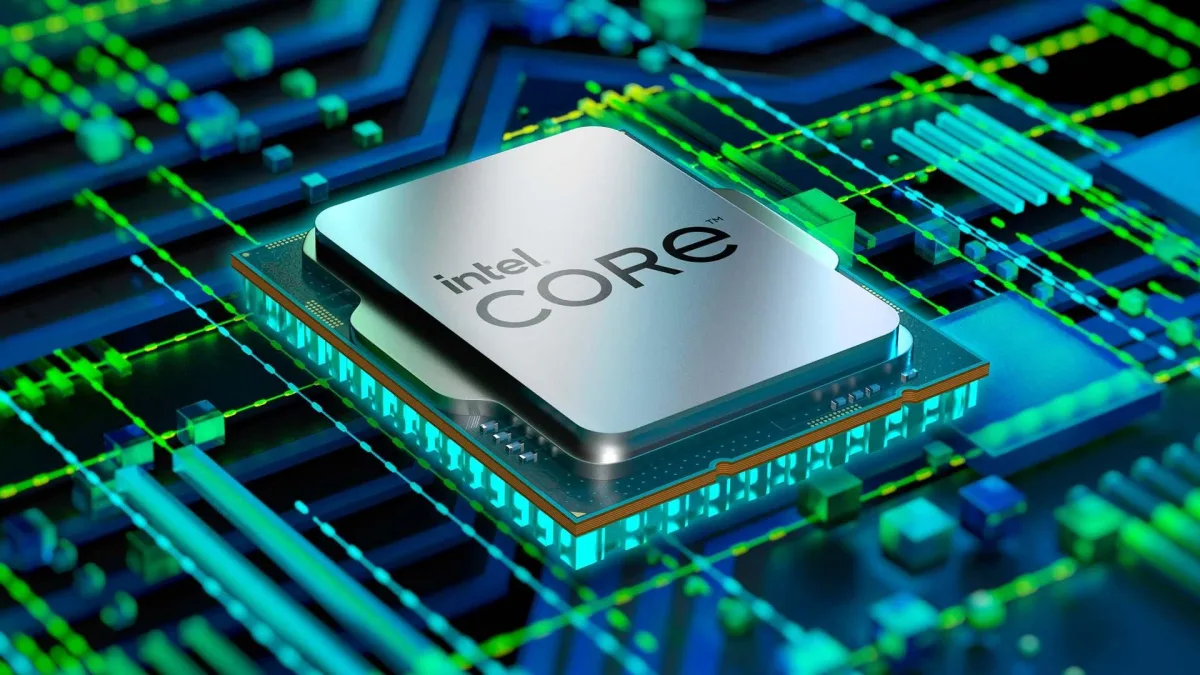
Intel's upcoming Core Ultra 400-series Nova Lake platforms have secured approval from two key industry standards organizations. The USB Implementers Forum and PCI-SIG have both added Intel's processors and chipsets to their respective Integrators Lists, confirming that these components meet compliance and interoperability requirements. Manufacturers must pass such tests before launch to verify that products work correctly with existing technology and to earn the right to display PCIe and USB certification logos.
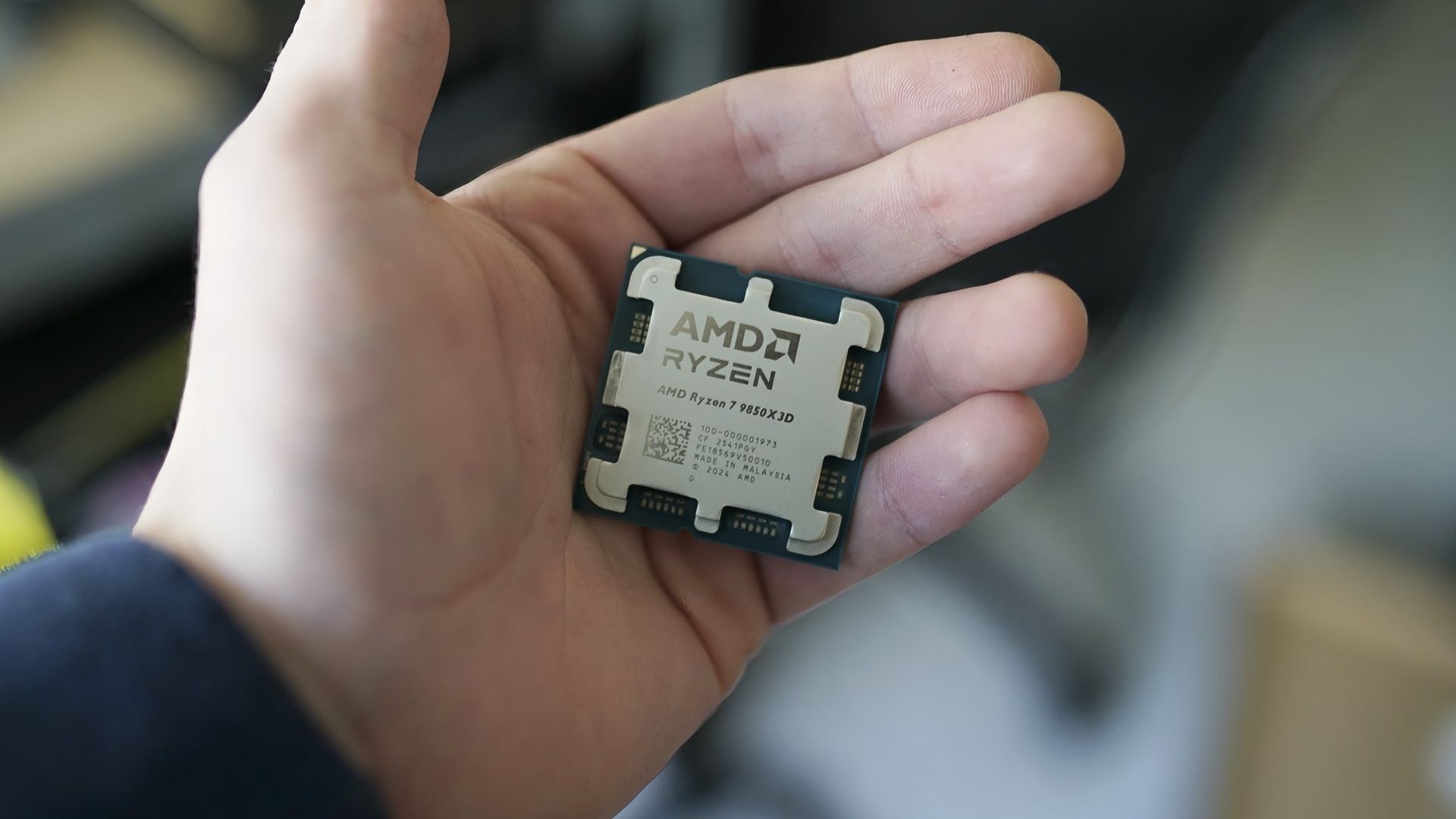
According to the USB-IF Integrators List, Intel's mobile Nova Lake-H processor (Device ID D331, D333) meets the USB4 80 Gbps specification, which aligns with the chip's expected Thunderbolt 5 support. The company's desktop Nova Lake PCH-S chipset (Device ID 6E6E), by contrast, complies with the USB 3.2 Gen2 standard, delivering data rates up to 20 Gbps. This specification matches earlier reports about Intel's 900-series chipsets. Notably absent from the current listings is Intel's desktop Nova Lake processor, which is anticipated to support USB4.
The sequence in which Intel submitted these components for certification—beginning with a desktop chipset and a high-end mobile processor—might appear unconventional. However, Intel's approach reflects a deliberate strategy rooted in how USB-IF handles similar products. The organization operates a Qualification by Similarity program that permits testing of one product to qualify related variants with minimal or no additional testing required. Because USB4 and USB 3.2 implementations across various Nova Lake products share similar architectures, Intel can certify select processors and chipsets, then use this pathway to qualify other variants.
USB-IF certification is tied to specific product names, models and revisions, meaning products with identical USB circuitry but different designations do not receive automatic approval. Each product must undergo separate submission through the Qualification by Similarity process, after which USB-IF evaluates whether the differences warrant fresh compliance testing.
Intel's 900-series chipset (Device 6E38-6E3F, 6E30-6E35, 6E40-6E47) for the Core Ultra 400-series Nova Lake-S platform appeared on the PCI-SIG Integrators List beginning in April. In early August, an Intel processor identified only by Device IDs D461, D465, and D467–D46A, featuring a PCIe 5.0 x16 root complex, completed interoperability testing and joined the chipset on the list. While the company has not officially confirmed this processor's identity, evidence suggests it represents a desktop Nova Lake CPU for the Core Ultra 400-series lineup.
Before launching new processors, Intel must satisfy numerous compliance and interoperability requirements established by industry standards organizations. The company's Nova Lake CPUs and associated chipsets have now cleared testing by both PCI-SIG and USB-IF. Additional certifications from other standards bodies are likely to follow in the coming weeks or months. Intel will also need to secure various regulatory and environmental certifications depending on specific product configurations and target markets, though such documentation typically remains confidential until formal product announcements.
The appearance of Nova Lake components on PCI-SIG and USB-IF Integrators Lists signals that Intel is actively preparing for its next processor rollout. Industry reports indicate that Core Ultra 400-series launches are scheduled for Q1 2027, making early certification efforts a logical step as the company readies for release in the coming year.