Swedish startup demonstrates fully autonomous drone targeting with Nvidia Jetson Orin Nano
Scaleout Systems showed that small, efficient AI models can enable drones to independently identify and strike targets without human intervention or external communications, using hardware from Nvidia and BAE Systems.
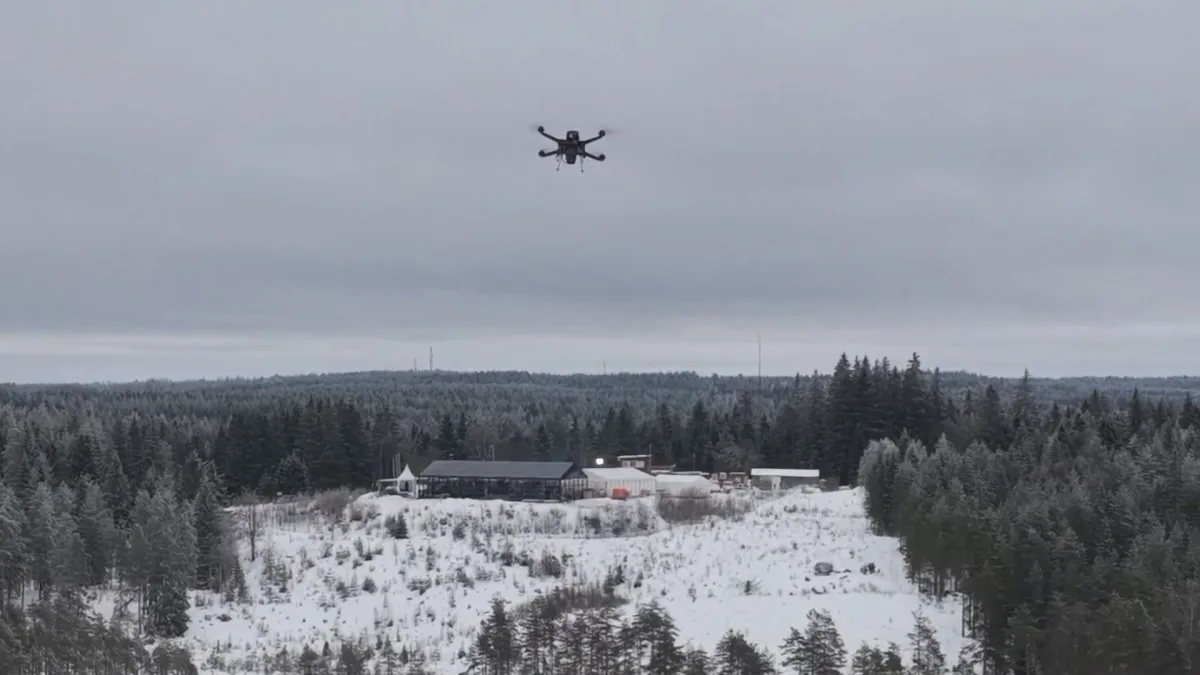
A Swedish artificial intelligence company has demonstrated that compact, edge-based computer vision models can power autonomous targeting systems on weaponized drones. During BAE Systems Bofors' Winter Demo 2026, Scaleout Systems deployed a low-cost loitering munition as part of the Affordable Loitering Modular Ammunition (ALMA) initiative, according to reporting by Ars Technica. The system autonomously detected and geolocated potential targets, ranked an armored engineering vehicle as the highest priority, and conducted a strike without requiring ongoing human control or external communications.
The onboard processing architecture eliminated the need for continuous operator input or remote guidance. In a recorded demonstration titled "Technical Demo: Onboard Edge Intelligence for Autonomous UAV Missions," Scaleout's system handled all computational tasks locally on the drone itself. While a designated pilot could serve as a failsafe controller and initiate the mission with a button press, the system operated under pre-set parameters without requiring manual direction once activated. The reconnaissance phase consumed approximately 200 seconds, with the entire mission concluding in under 320 seconds.
The absence of real-time communication links between the drone and ground control represents a significant operational advantage. By running all targeting algorithms and decision-making processes on the aircraft itself, Scaleout's approach eliminates vulnerability to electronic warfare tactics that could jam or intercept wireless signals. The demonstration supports the company's assertion that edge-based AI deployment provides resilience against signal disruption and external interference during autonomous missions.