California Mandates 3D Printer Safeguards Against Firearm Production
Governor Newsom signed legislation requiring 3D printer makers to incorporate firearm-blocking capabilities once an industry standard emerges, making California the second state to impose such restrictions on the technology.
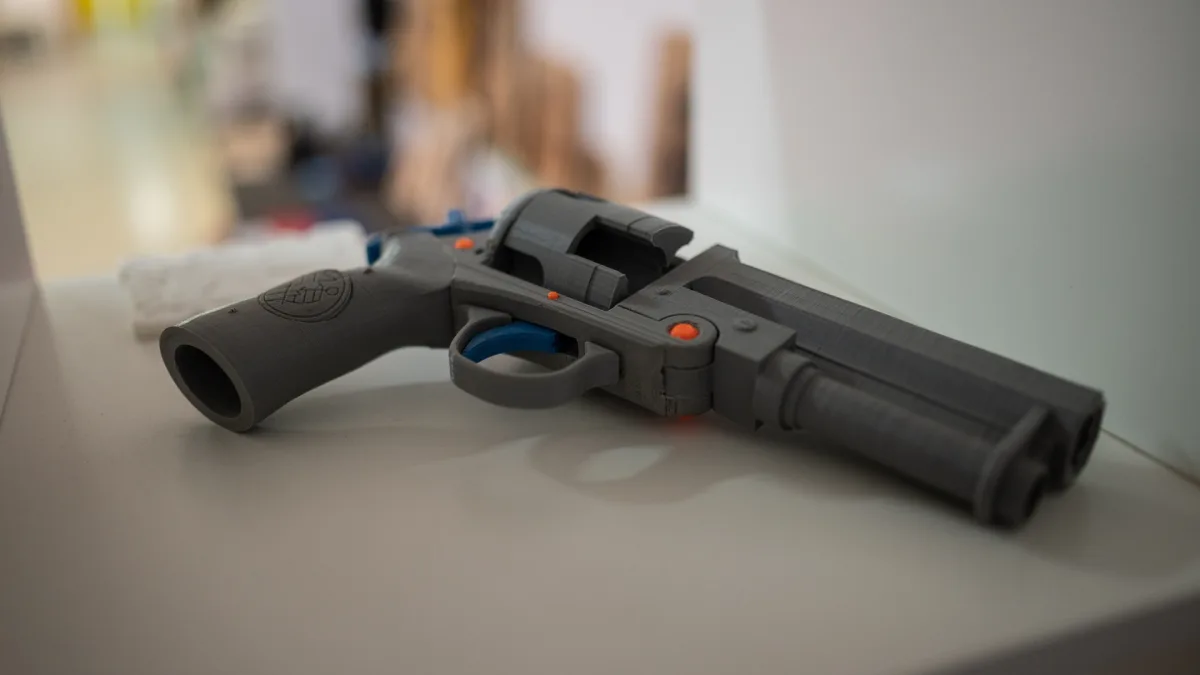
California's governor has signed a measure into law that will obligate 3D printer manufacturers to integrate firearm-blocking capabilities into their devices following publication of an industry standard by ASTM International. The state joins New York in establishing such restrictions, while Colorado and Washington state are pursuing comparable legislation through their own legislative processes.
The legislation applies exclusively to 3D printers entering the market going forward, meaning currently owned devices will not require modification to comply with the new rules. The measure does not constitute an outright prohibition on non-compliant equipment; rather, it governs the distribution and sale of 3D printers while leaving questions of ownership and operation untouched.
Manufacturers will only face obligations to implement firearm-blocking technology once ASTM International, a standards-setting nonprofit serving multiple industries, releases or endorses a standard for such technology on 3D printers. Beginning no later than July 1, 2027, California's Department of Justice must review quarterly whether such a standard exists, continuing this review through July 1, 2029. Should ASTM International fail to establish a standard by that deadline, the DOJ loses its obligation to monitor for one, potentially halting any regulatory implementation process.
Technical Challenges
Two primary detection methods currently exist for identifying whether a print file targets 3D-printed firearm production. One approach compares files against a database of known weapon designs, while the other employs machine learning algorithms to assess whether a design could function as a firearm. Each method carries significant limitations. Database matching can be circumvented through file modification—altering dimensions or fragmenting designs for later assembly—while algorithmic analysis frequently generates false positives, potentially blocking legitimate components like barrels, brackets, levers, and tubes that resemble firearm parts but serve entirely different purposes.
The Electronic Frontier Foundation stated in June 2026 that "there is no world where the mandated technology actually works as intended." Recognizing these obstacles, California's approach delegates standard-setting authority to ASTM International rather than having the DOJ establish requirements unilaterally. This framework means manufacturers face no compliance obligations until the standards organization publishes or adopts specifications within the designated timeframe.